If you are deciding what to do in Noosa in winter, build the stay around the outdoors without making every day weather-dependent. A coastal walk, time at a patrolled beach, a look for migrating whales, an unhurried meal and one flexible afternoon give you a fuller holiday than a rigid checklist.
Walk the Noosa Headland in cooler conditions
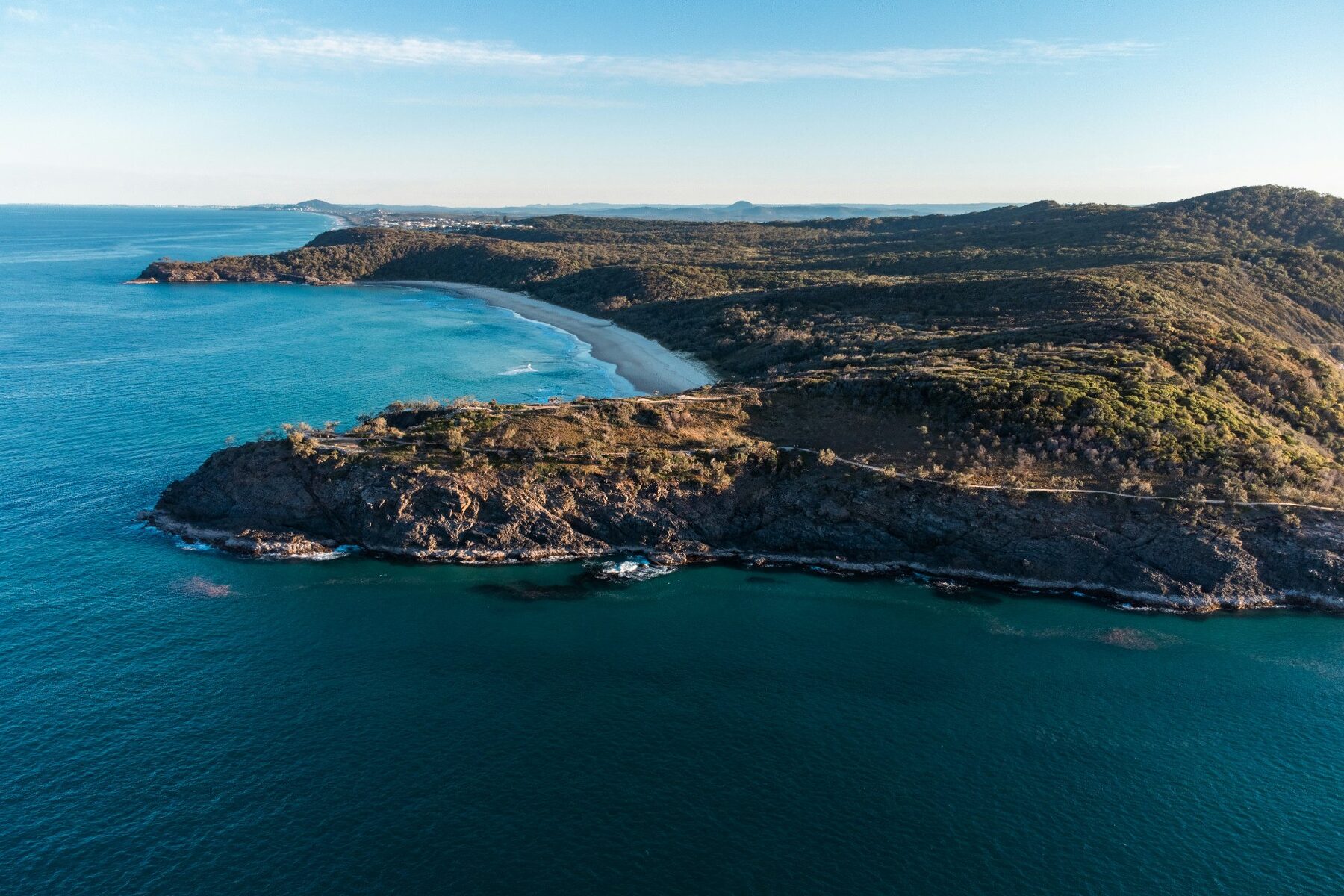
Noosa National Park is the natural starting point for an active winter morning. Choose the distance for the group rather than assuming everyone needs to reach Sunshine Beach. The official Coastal Walk is 10.8 km return, while shorter Headland circuits make it easy to keep the walk as one part of the day.
Check current park alerts and the forecast before leaving, carry water, use sun protection and stay on marked tracks. Our Noosa Coastal Walk guide compares the official distances and explains how the one-way Sunshine Beach option works.
Look for humpback whales from the headland
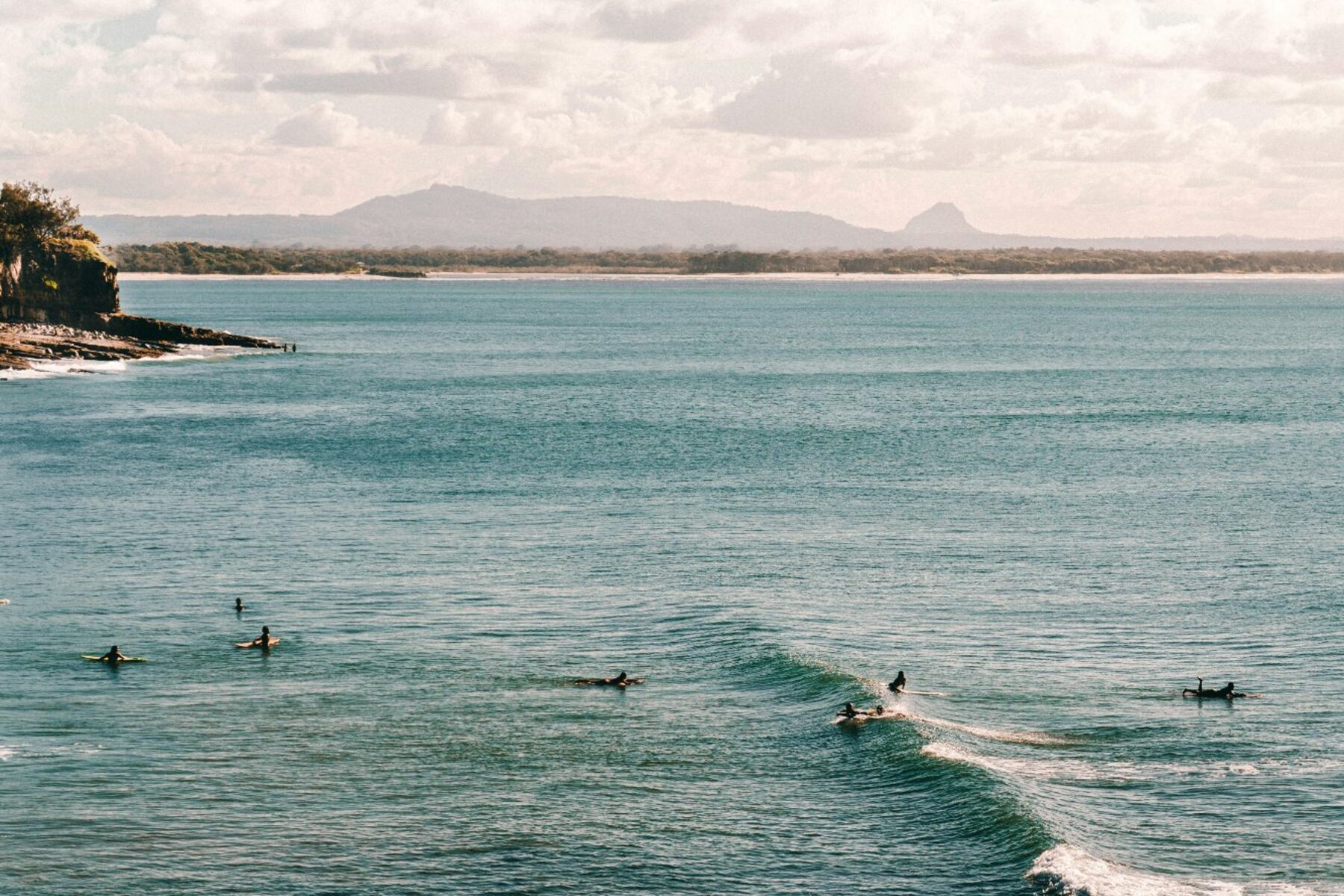
Queensland Parks identifies June to November as the period when migrating humpback whales may be seen from Dolphin Point and Hell’s Gates. A land-based lookout fits naturally into a National Park walk and does not require a separate tour. Take binoculars if you have them, allow time to stop, and treat a sighting as a possibility rather than a promise.
Keep a beach morning in the plan
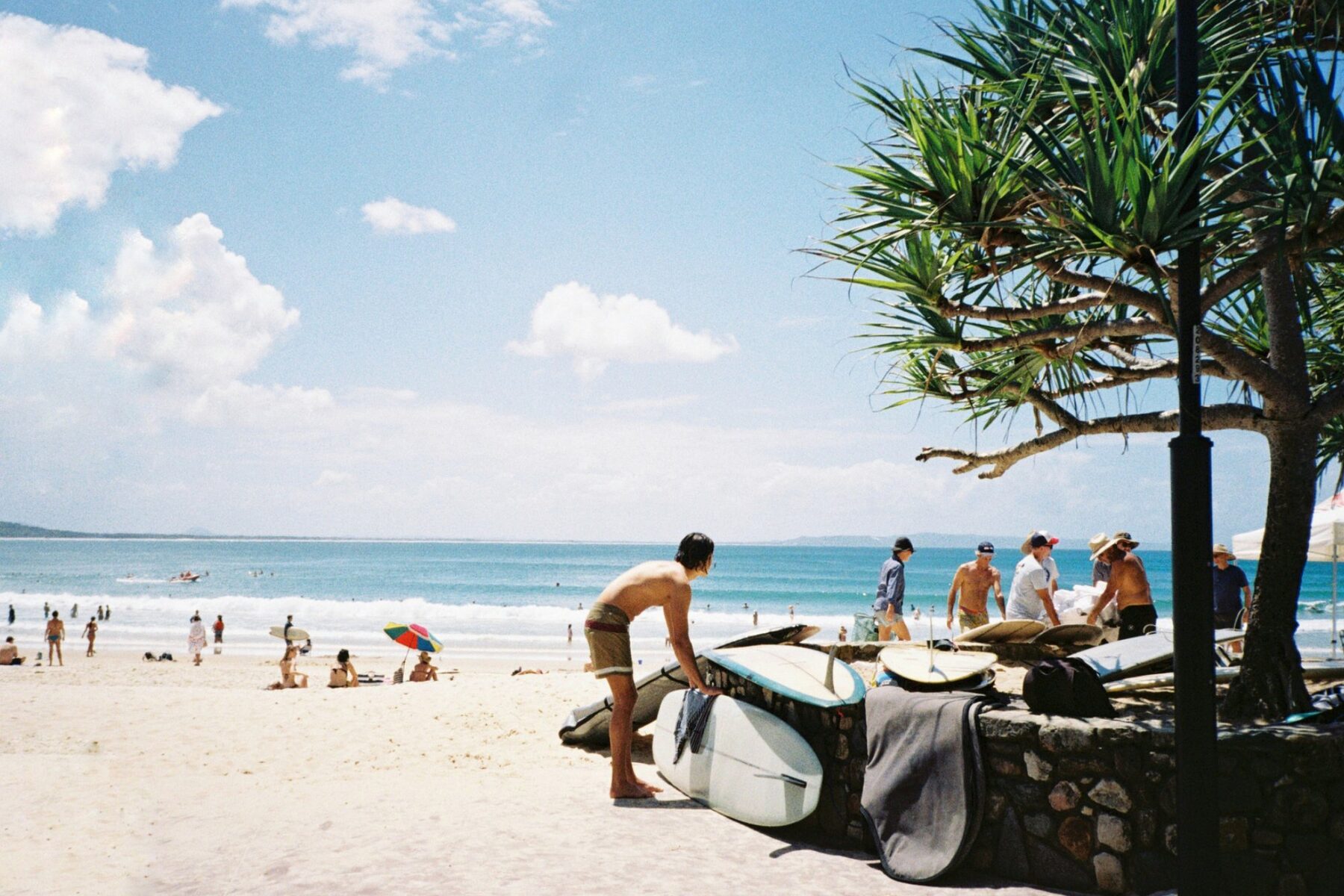
Winter does not remove the beach from a Noosa holiday, but water and wind conditions still matter. Choose a patrolled area, swim between the flags and follow the lifesavers’ advice. If the water is not inviting, a beach walk followed by breakfast or coffee can still make good use of a clear morning.
Do not assume the National Park’s quieter bays are safe for swimming simply because they look sheltered. Queensland Parks notes that beaches surrounding the park are not patrolled and directs swimmers to patrolled Noosa Heads or Sunshine Beach.
Plan one food-focused afternoon
Leave room for lunch rather than trying to fit several precincts into one day. Noosa Junction, Hastings Street and Noosaville each work differently, so choose the area that suits the rest of the itinerary and check the venue’s current opening arrangements before setting out.
If your dates overlap with Noosa Eat & Drink Festival, use the organiser’s current program for confirmed dates, venues and ticket details. Our festival planning guide covers the decisions to make before booking travel around the event.
Build in a wet-weather fallback
A winter itinerary still needs room to change. Start with the Bureau of Meteorology forecast and warnings, then decide whether the day suits an exposed walk, a shorter local outing or time indoors. Our Noosa rainy-day guide separates passing showers from settled rain and severe weather.
At the house, the recreation zone and shared living areas allow different ages to slow down without abandoning the day. We aim to keep the private pool heated to around 27°C, giving the group another option when the air is cooler.
A simple winter day in Noosa
Begin with the Headland while the group has energy, stop for an early lunch, then keep the afternoon open for a patrolled beach, the pool or a slower indoor plan. On another day, explore the river or Junction rather than repeating the same precinct. Our Noosa long-weekend guide shows how to spread those areas across a short stay without rushing.