Whale watching around Noosa is a wildlife experience, not a scheduled performance. Humpback whales migrate along the Queensland coast, and headlands or boat tours can offer a chance to see them. Weather, sea state, distance and animal behaviour still determine what happens on the day.
A responsible plan begins by choosing the viewing format, checking current conditions and accepting that no ethical operator or land-based guide can guarantee a particular encounter.
Understand the broad migration window
Queensland Government guidance says humpbacks generally migrate north along the Queensland coast between May and July, then begin moving south in July and August. Queensland Parks identifies June to November as the broad viewing period from the Noosa Headland. Those windows describe migration patterns, not guaranteed local sightings.
Use the season as a reason to keep binoculars handy, not as proof that whales will be visible from a particular lookout at a particular hour. Social posts and recent operator reports may show what happened earlier, but they are not a forecast for your visit.
Choose land-based viewing for flexibility
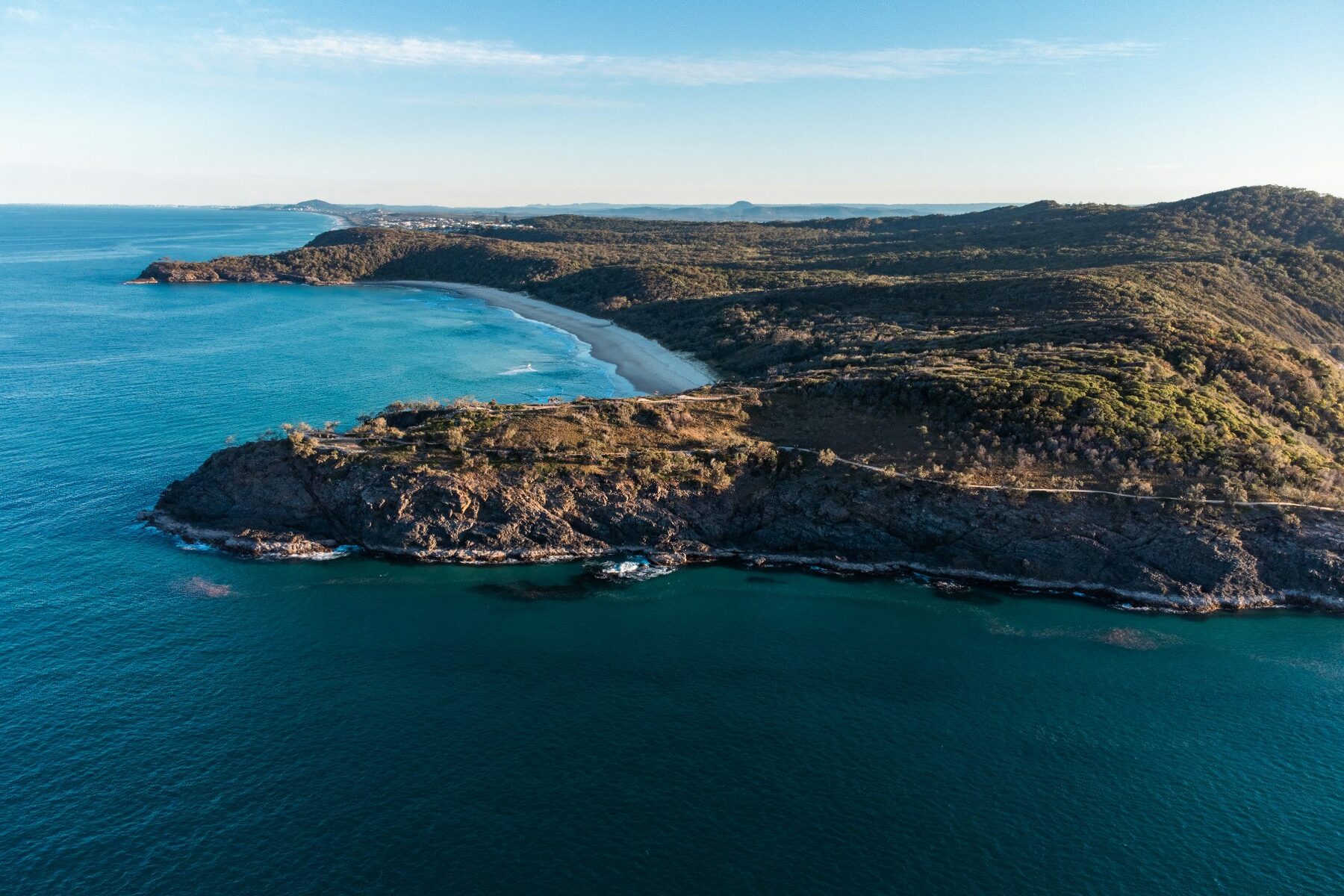
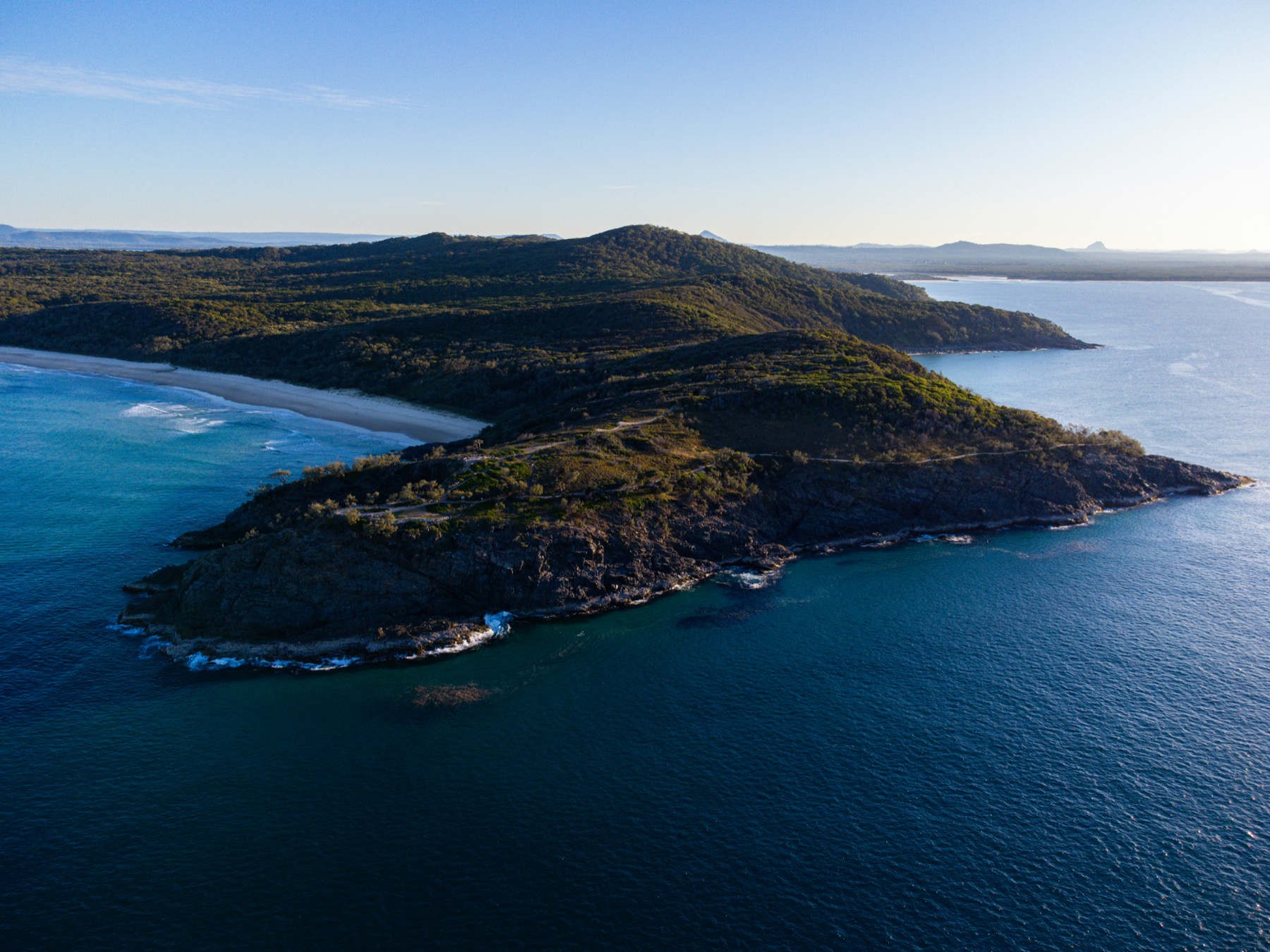
The Noosa Headland gives elevated views across open water. Queensland Parks specifically identifies Dolphin Point and Hell’s Gates as whale-viewing points. A land-based attempt can fit naturally into a suitable National Park walk because it does not require a fixed departure or sea conditions suitable for a vessel. The track, weather and the needs of the group still come first.
Check the official park map and alerts, walk in daylight, carry water and use sturdy footwear. Beaches surrounding the National Park are not patrolled. Our National Park walking guide helps match the route to the group.
Bring binoculars and lower the pressure
Binoculars are more useful than pushing closer to an edge or trying to enlarge a distant phone image. Scan slowly, pause and watch for repeated blows, dark backs, fins or changes in surface activity. Keep children back from cliff edges and stay on formed paths and lookouts.
Allow a viewing window rather than making the entire walk depend on a sighting. The coast, vegetation and lookouts remain the experience even when the ocean is quiet.
Assess a boat tour on more than the promise
Before booking, confirm the advertised departure and return time, minimum age or mobility requirements, weather policy, cancellation terms, onboard facilities and the operator’s current wildlife permissions. Tour duration varies by operator, so the article cannot give one reliable set of clock times. Queensland’s guidance notes that calm conditions are most likely in the morning before wind and wave height increase.
Sea conditions can affect comfort even on a clear day. Anyone prone to motion sickness should seek appropriate professional advice before travel and follow the operator’s instructions. Leave the rest of the day flexible and avoid a tightly timed restaurant, transfer or activity immediately after the advertised return.
Give whales space
Queensland’s official guidance says the strongest whale-watching experience is one where the animal has room to behave naturally. Signs of disturbance can include moving away, repeated direction or speed changes, sudden dives, changed breathing patterns or aggressive surface behaviour.
Under Queensland’s current rules, the caution zone extends 300 m from a whale and boats within it must not exceed 6 knots. The standard no-approach zone is 100 m from the side of a whale and 300 m directly in front of or behind it. The rules also limit the caution zone to three boats and provide greater protection for certain animals, including predominantly white whales. Check the current rules before taking any watercraft out.
Mothers and calves need particular care
The Queensland Government warns that disturbance can interfere with a calf’s feeding or cause separation from its mother. Give extra space and respond early to any changed behaviour. Wildlife welfare takes priority over extending the encounter.
Drones, aircraft and people in the water are also subject to rules and risk considerations. Do not assume the vessel distance is the only requirement that applies.
Plan the rest of the day lightly
For land viewing, pair the attempt with a route the group already wants to walk. For a boat tour, leave the rest of that day flexible. Do not place a restaurant booking, transfer or another activity immediately after the advertised return. There is no universal buffer because tour duration, weather delays, sea conditions and the group’s energy can all change the plan.
Pack a wind layer, sun protection, water and secure footwear. The Noosa winter packing guide covers the broader seasonal kit without assuming every day will be warm or dry.
What a good outcome looks like
A responsible whale-watching day may produce a close-looking breach through binoculars, a few distant blows, or no confirmed sighting at all. Success is using an appropriate vantage point or operator, keeping safe, avoiding disturbance and leaving the animals free to continue their migration.
That is a more honest foundation than a guaranteed-sighting headline—and a better way to keep wildlife at the centre of the experience.
Planning sources
Wildlife and park guidance was checked on 30 July 2026. Before going, read Queensland’s current whale-watching guidance, marine-mammal approach rules and the official Noosa National Park safety information. Confirm any commercial tour directly with the operator.