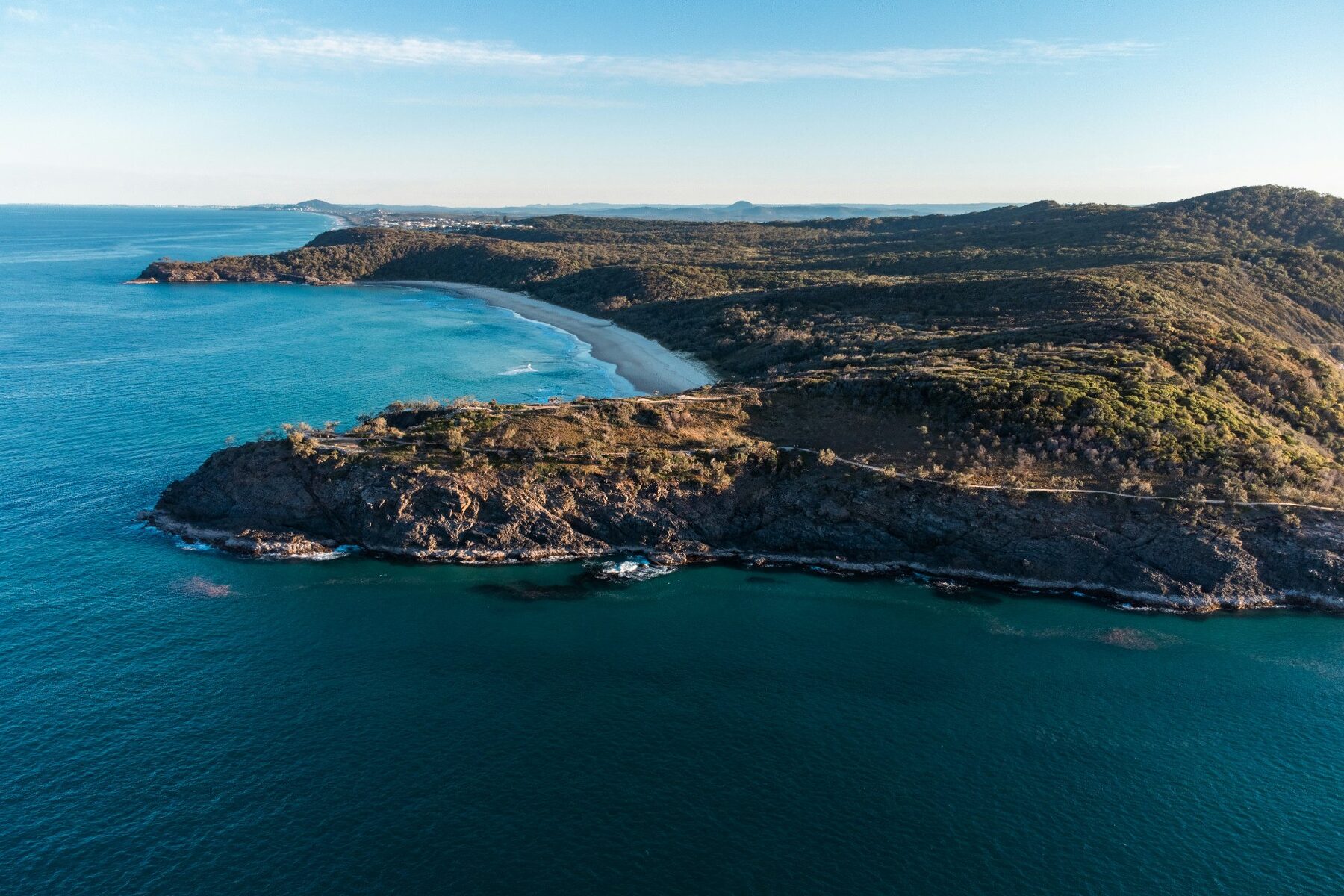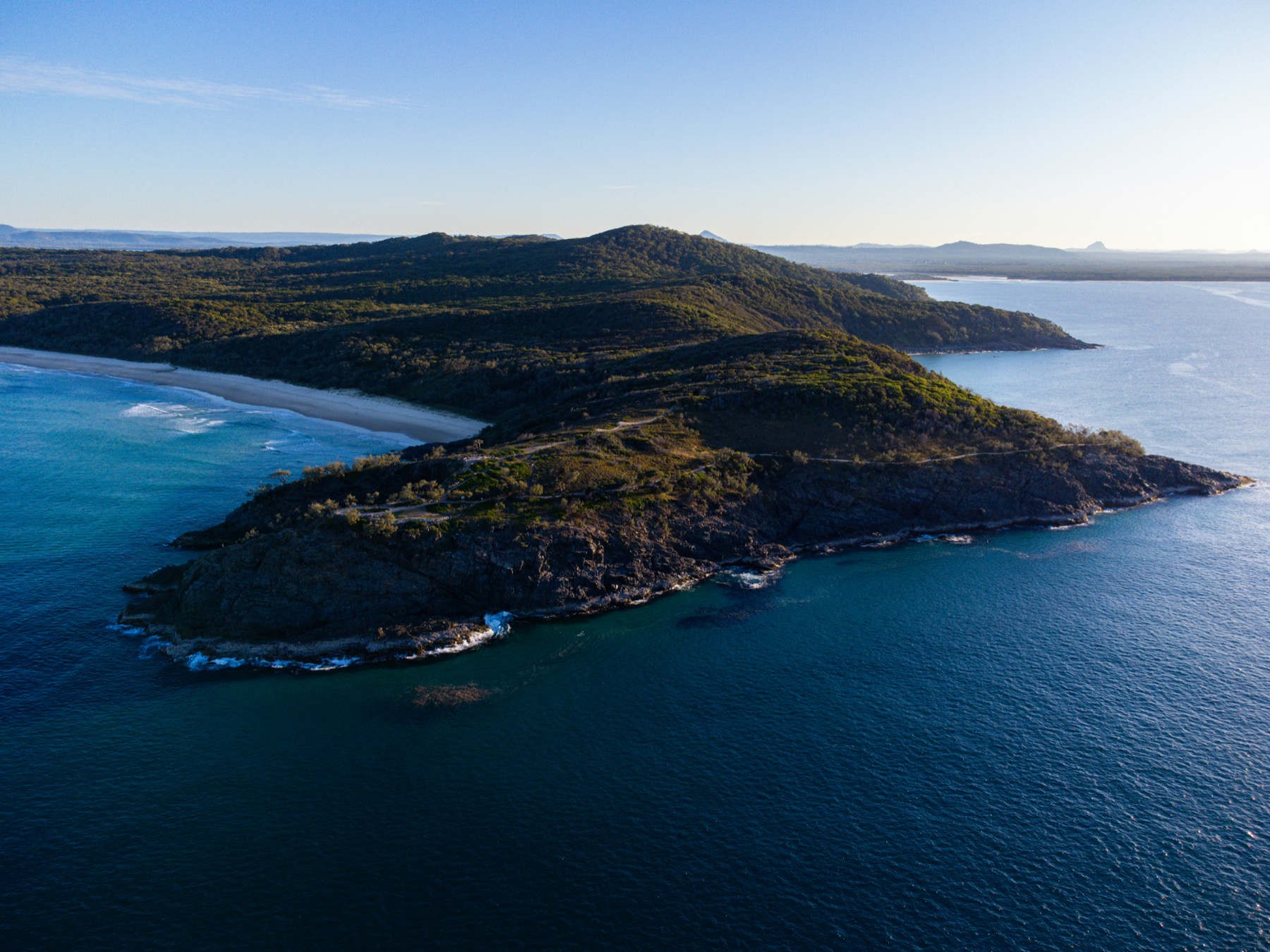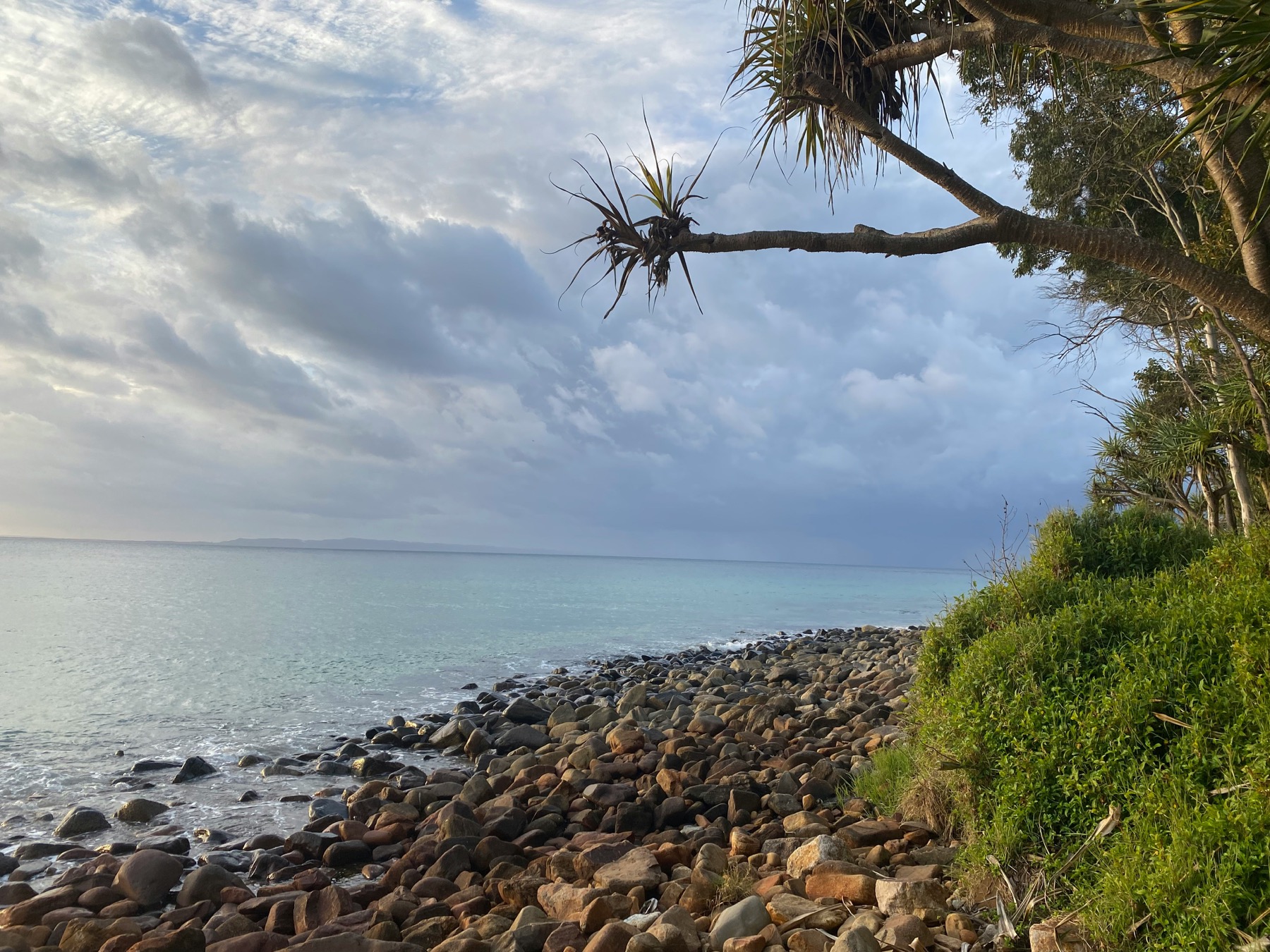
A Noosa winter suitcase needs more range than a summer beach bag, but not necessarily more volume. Queensland Parks describes Noosa Heads as having a mild subtropical climate, with an average winter daily range around 10–21°C. Averages are context, not a forecast: a sunny afternoon, cool early walk, wind change and shower can all belong to the same stay.
Pack light layers that can move between those conditions. Then adjust the list for the actual forecast and the activities booked.
Start with three light layers
Build around a breathable base, a light warm layer and a wind-resistant outer layer. A long-sleeved shirt, knit or fleece and compact jacket cover more situations than one bulky coat. Include long trousers for cooler mornings and evenings, plus lighter options for warm afternoons.
For children, pack layers they can remove themselves and one complete spare set in the day bag. Coastal wind and wet clothing can make a mild temperature feel much cooler.
Keep the beach kit
Winter does not remove the need for swimmers, a towel, hat, sunglasses and sunscreen. Whether anyone swims should depend on current conditions, patrols and individual comfort—not the season label.
Add a dry layer for after the beach. If the group plans an early or late visit, a windproof shell and closed shoes can be more useful than another set of resort wear.
Pack for the National Park route
Queensland Parks recommends suitable sturdy footwear, water, sun protection, a mobile phone and a basic first-aid kit for Noosa National Park walks. Choose shoes that have already been worn rather than using a holiday to test new footwear.
A small backpack keeps hands free and carries water, a compact rain layer and the clothing removed as the day warms. Binoculars can be worthwhile during migration season; the whale-watching guide explains how to use the Headland attempt responsibly.
Allow for rain without packing for an expedition
Check the live Bureau forecast for Noosa Heads close to departure. A compact rain shell, a small umbrella for short trips around Hastings Street or Noosa Junction, and a waterproof pouch for phones may be enough for ordinary showers. An umbrella is not a substitute for a rain layer on an exposed Headland walk. If severe weather is forecast, change the plan rather than relying on clothing to make the activity safe.
Bring a reusable bag for wet swimmers or damp layers. It keeps the rest of the day bag dry and is useful on departure morning.
Choose footwear by activity
One walking shoe, one casual shoe and a beach option will cover most stays. Add specialist footwear only for a confirmed activity. Smooth fashion soles are a poor match for wet paths, while heavy hiking boots may be unnecessary for a short formed track.
Routes between Noosa Hill, Noosa Junction and the beachfront include slopes, so comfortable footwear matters even on a dining or shopping day. Choose shoes you can continue wearing if a short outing becomes a longer walk.
Prepare for the house and evening
Include relaxed indoor clothing and a warmer layer for balconies or evening arrivals. If the accommodation has a kitchen and laundry, check the current facilities before packing duplicates of every outfit or household item.
For a group, share chargers, first-aid basics and beach equipment where practical. Keep medications and essential personal items in individual luggage rather than relying on a group bag.
Plan one complete evening outfit rather than several speculative options. Noosa dining ranges from relaxed neighbourhood venues to more formal bookings, so check the venue’s current guidance if dress matters. A light knit or jacket that works at dinner can also cover a breezy balcony breakfast, reducing the number of single-purpose pieces in the suitcase.
Do not forget the practical small items
Pack a reusable water bottle, day bag, portable charger, any required prescriptions, insect repellent and copies of important booking information. Families may also want a familiar bedtime item, compact game and snacks for transfers.
If a tour has equipment requirements, follow the operator’s current list. Do not assume the general packing list covers a boat, surf, cycling or hinterland activity.
A concise winter checklist
Wear: breathable tops, long sleeves, trousers, light warm layer, wind or rain shell. Beach: swimmers, towel, hat, sunglasses, sunscreen. Walking: suitable shoes, water bottle, small backpack, first-aid basics. Practical: wet bag, chargers, medication and forecast-appropriate extras.
Review the list 48 hours before departure against the current forecast. Remove “just in case” duplicates before adding another specialist item. For the seasonal picture behind the list, read our guide to Noosa in winter.
Planning sources
Climate and park guidance was checked on 30 July 2026. Use the current Bureau forecast for the travel dates and read Queensland Parks’ Noosa safety and packing guidance before a Headland walk.